

For photographers and videographers, traveling with camera equipment isn't optional gear, it's the job. The challenge has always been getting delicate, bulky equipment past baggage rules designed around a 23kg suitcase of clothes. Baggage fees have gone up across the industry in the past couple of years, but several airlines have also formalized media-specific discounts that didn't widely exist or weren't well known a few years ago. Here's an updated look at who handles camera gear well in 2026, who doesn't, and what's changed.
The Best
1. American Airlines. American now runs one of the most generous media baggage programs of any US carrier. Eligible media travelers can check up to 25 pieces with overweight and oversize fees waived entirely — $50 per bag domestically, $70 per bag internationally, one-way. The tradeoff is that you typically need to arrange it ahead of time through American's Entertainment Sales Representative or by emailing entertainment.service@aa.com, rather than just showing a badge at the counter.
2. Southwest Airlines. Southwest's reputation for reasonable baggage policies still holds up: every fare includes two free checked bags. For media equipment specifically, the third bag and beyond drops from $125 to $75, and Southwest waives overweight and oversize fees on media bags up to 100 lbs entirely. For a crew checking several separate hard cases, that fee waiver is often worth more than the per-bag discount.
3. United Airlines. This one's a genuine reversal from a few years ago, when United had a reputation as one of the less forgiving major carriers for excess gear. United now offers a flat media bag rate — around $50 within North America, $70 internationally — regardless of weight or size, as long as you show media credentials, company ID, or clearly labeled equipment cases at check-in. Against United's standard overweight fees, which can run $100–$200 per bag past 50 lbs, that flat rate is a substantial discount. United did raise its standard checked-bag fees in April 2026, which makes having the media rate sorted out in advance more valuable than it used to be.
Honorable mention: Alaska Airlines. Alaska remains solid for media travelers: credentialed photographers checking three or more bags get a reduced $50-per-bag rate instead of the standard $75, within the usual 50 lb / 62 linear inch limits.
The Worst
1. Spirit Airlines. Still no media discount of any kind. Spirit prices bags dynamically by route like any other passenger, and there's no dedicated media desk or credential process to fall back on if you're over the limit.
2. Ryanair. Not a US carrier, but unavoidable if your work takes you through Europe, and it deserves a spot here because so many traveling photographers run into it. Every fare includes only a small personal bag (40 x 30 x 20cm) for free; anything beyond that, checked or cabin, costs extra, and Ryanair raised several of these fees again in the past year. There's no press or media discount, and gate fees for non-compliant bags are punishing. If you're flying Ryanair with gear, buy your baggage allowance online in advance — doing it at the gate costs significantly more.
3. Frontier Airlines. Frontier's budget model still means strict baggage limits and no meaningful accommodation for media equipment. Photographers flying with substantial gear should expect to pay full freight on anything over the basic allowance.
What's Changed in 2026
The biggest shift is that United went from a carrier photographers avoided to one that now offers a competitive, well-defined media rate — worth knowing if your last gear-flying nightmare story is a few years old. More broadly, standard checked-bag fees have climbed across nearly every airline in 2026 (United's increase in April, JetBlue shortly before that, both citing fuel costs), which widens the gap between what you pay with no credentials and what you pay if you've done the legwork to qualify for a media rate.
Tips for Flying with Camera Gear
1. Research the specific airline's media policy, not just its general baggage policy. Most major US carriers — United, American, Delta, JetBlue, Alaska — have a separate, often better, rate for camera, video, lighting, and sound equipment. It's usually buried under "special baggage" or "media bags" on their site rather than the main fees page.
2. Get your credentials sorted before you travel, not at the counter. You don't need network press credentials — a company ID, letterhead, or clearly labeled production cases have worked for many independent photographers. Some airlines (JetBlue wants 72 hours' notice, American wants you to go through its entertainment sales contact) explicitly require advance coordination, so showing up cold is a gamble.
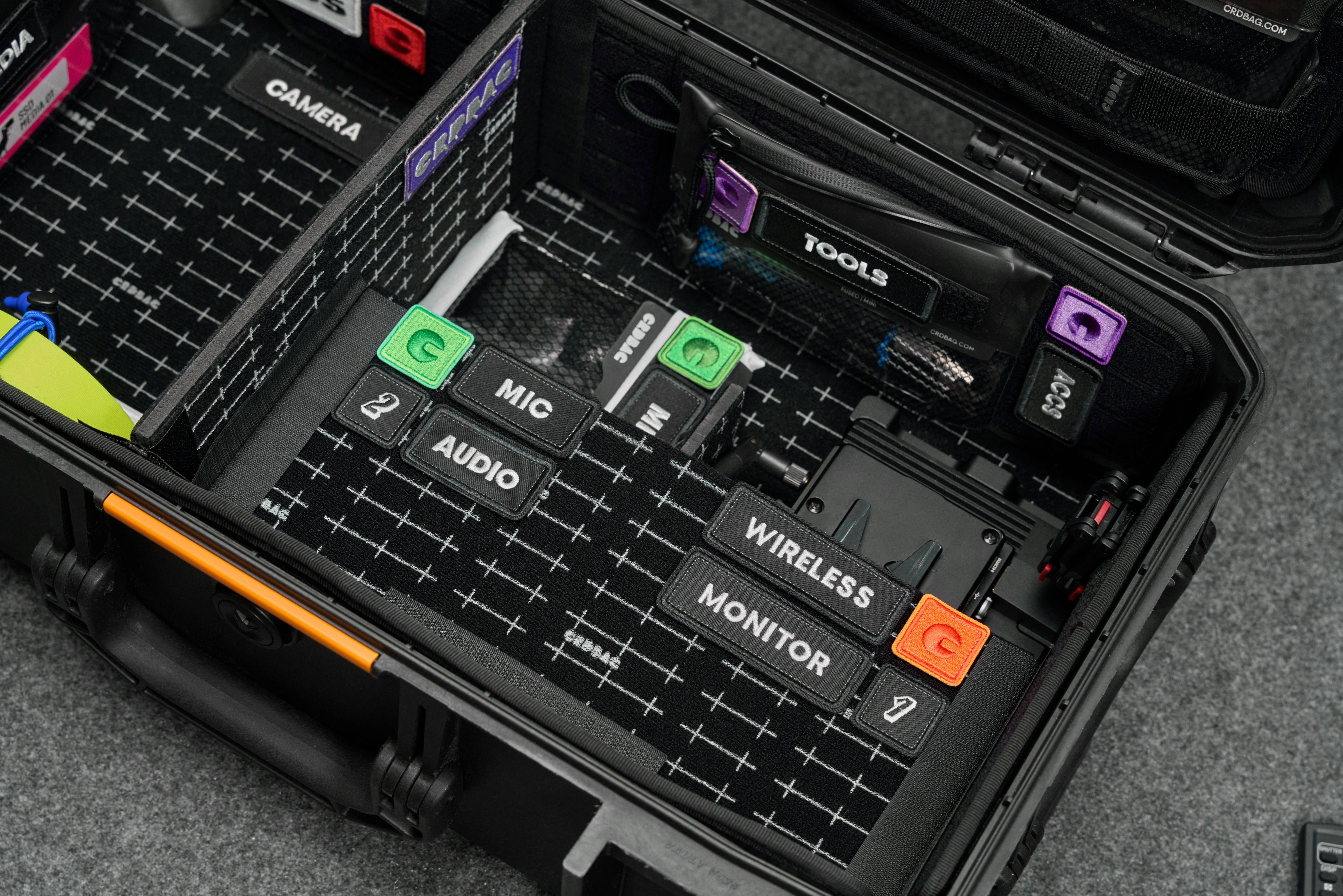
3. Invest in a quality carry-on bag and use it for your most critical gear. A durable, well-designed bag that fits cabin size limits means your camera body, primary lenses, and laptop never have to depend on whether the gate agent is in a generous mood that day. Brands like Think Tank and Domke remain popular specifically because they're built for this.
4. Use the airline's online baggage calculator before you fly. United and Delta, among others, now publish calculators that show the exact fee for your specific route and fare class — fees vary more by route than they used to, so don't assume last trip's price still applies.
5. If you're checking high-value gear internationally, look into an ATA Carnet. It's a separate process from airline baggage rules, but it can save you from paying import duties on professional equipment when crossing borders for a shoot.
6. Confirm media rates don't carry over on connecting or codeshare flights. Several airlines, including JetBlue, explicitly exclude interline and codeshare segments from their media rate. If your trip involves more than one airline, check each leg separately.


